The challenge
The biggest win for a design lead is creating bridges to other disciplines. Not through mandates, but through reciprocity. People show up to your meetings, crits, and workshops when they feel they’ll gain something. So the work is: provide value, set expectations, build relationships.
Business analysis
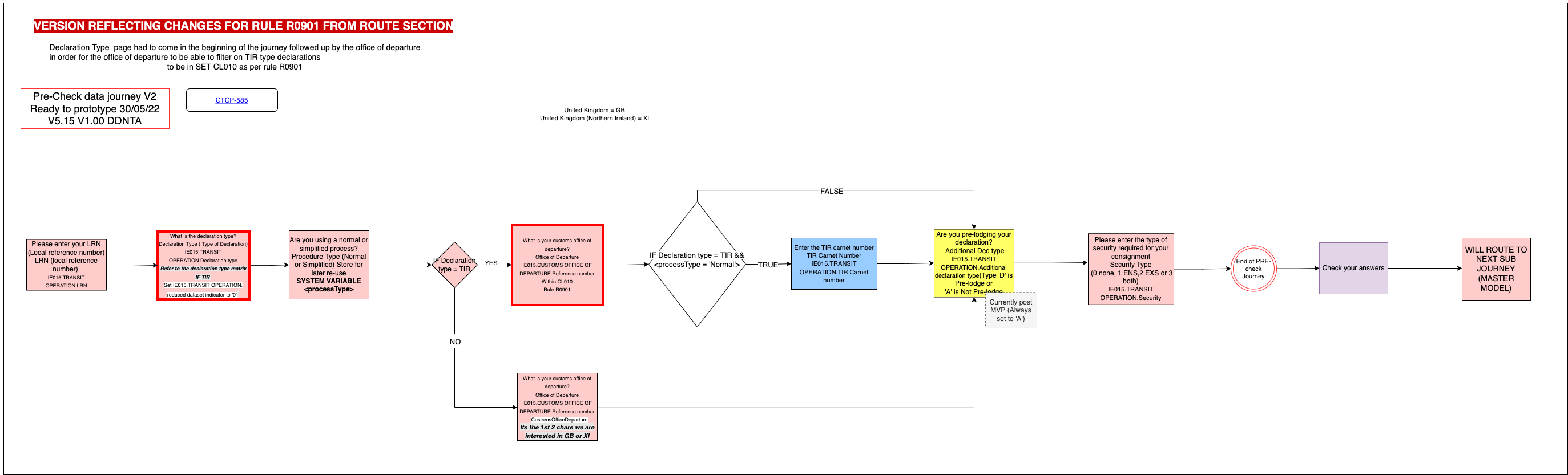
Designers need the right information to make informed decisions. Sometimes that’s not enough, they need it in the right form. Working with the lead business analyst, we created a dependency model that mapped all conditional logic and branching. That model gave interaction designers what they needed to build accurate prototypes and consider every path, including the edge cases.
At the same time, it became a strategic asset for the analysis team: something they could expand, adopt, and use to increase consistency across a large design practice.
User research
User research enables design with data. We worked closely with the research lead to introduce a more inclusive approach to usability testing, a Thinking Aloud method that gave clearer signals about where users struggled. The approach spread quickly across the research community.
Engineering
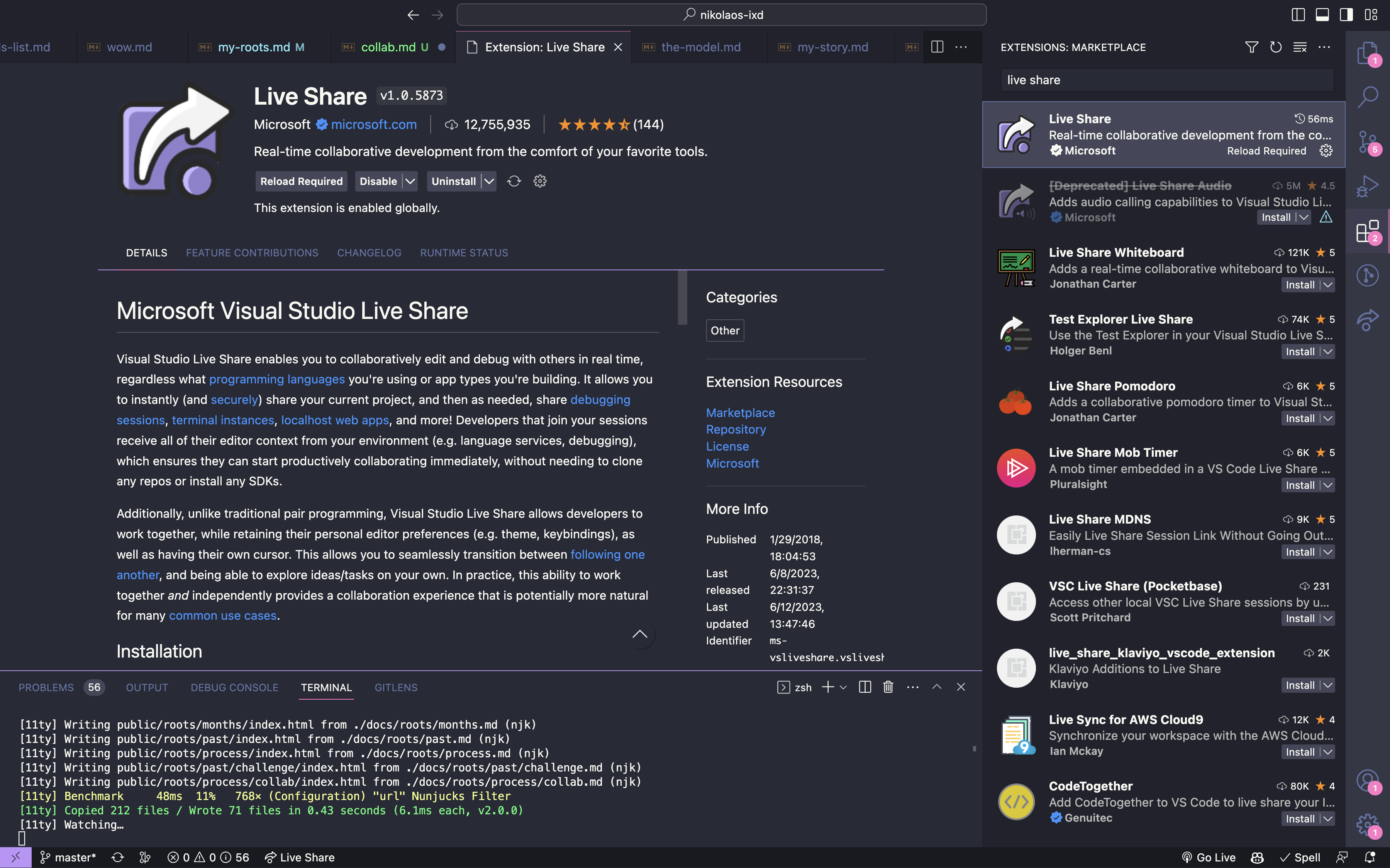
The best relationship an interaction designer can build is with their front-end counterpart. They’re the ones who can fix a broken prototype, explain why something won’t scale, or teach better commit habits. We established pair-programming sessions that solved immediate code issues and built shared standards: commit messages, code comments, structure.
Participation
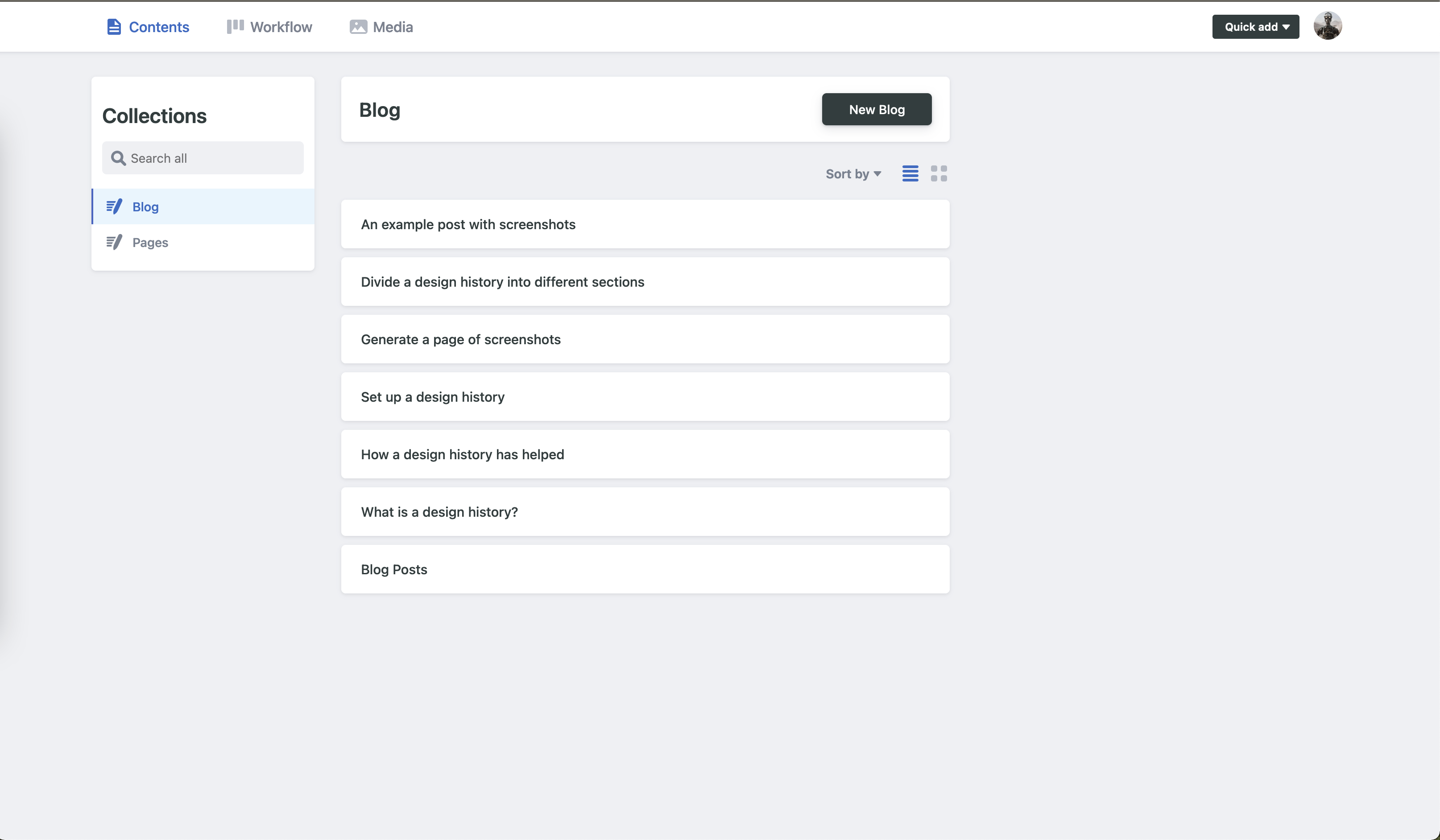
By building the tools and space that let everyone contribute, design histories with a CMS so non-technical practitioners could document decisions, people had a reason to come to the table. Service designers, content designers, delivery managers: they could participate without writing code.
The principle
Collaboration is about giving first. The more you help others, the more comes back. Lead by example: do the hard work, create the tools, teach what you know. Others will change, adjust, and improve on it. But you have to build the foundation.