The situation
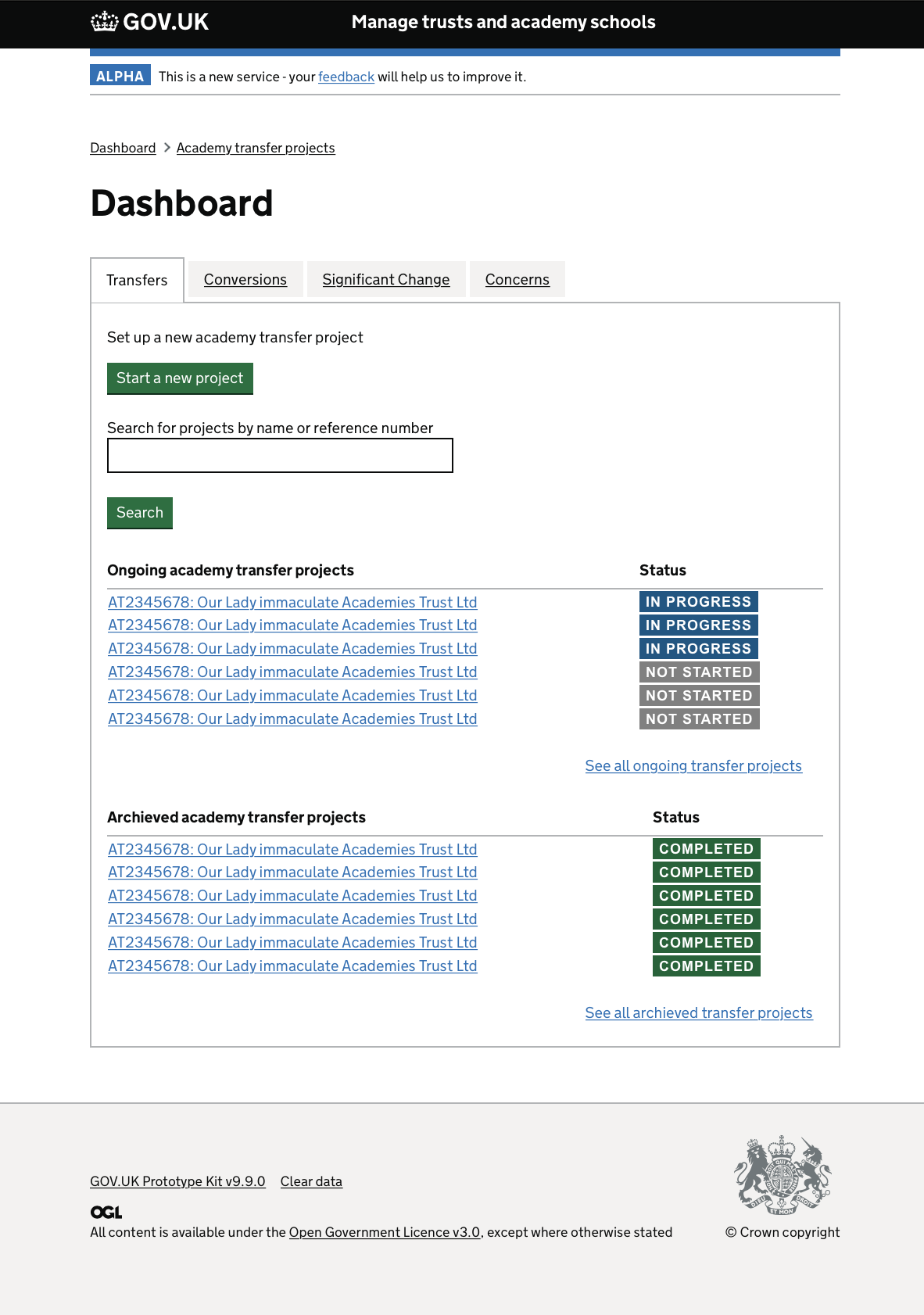
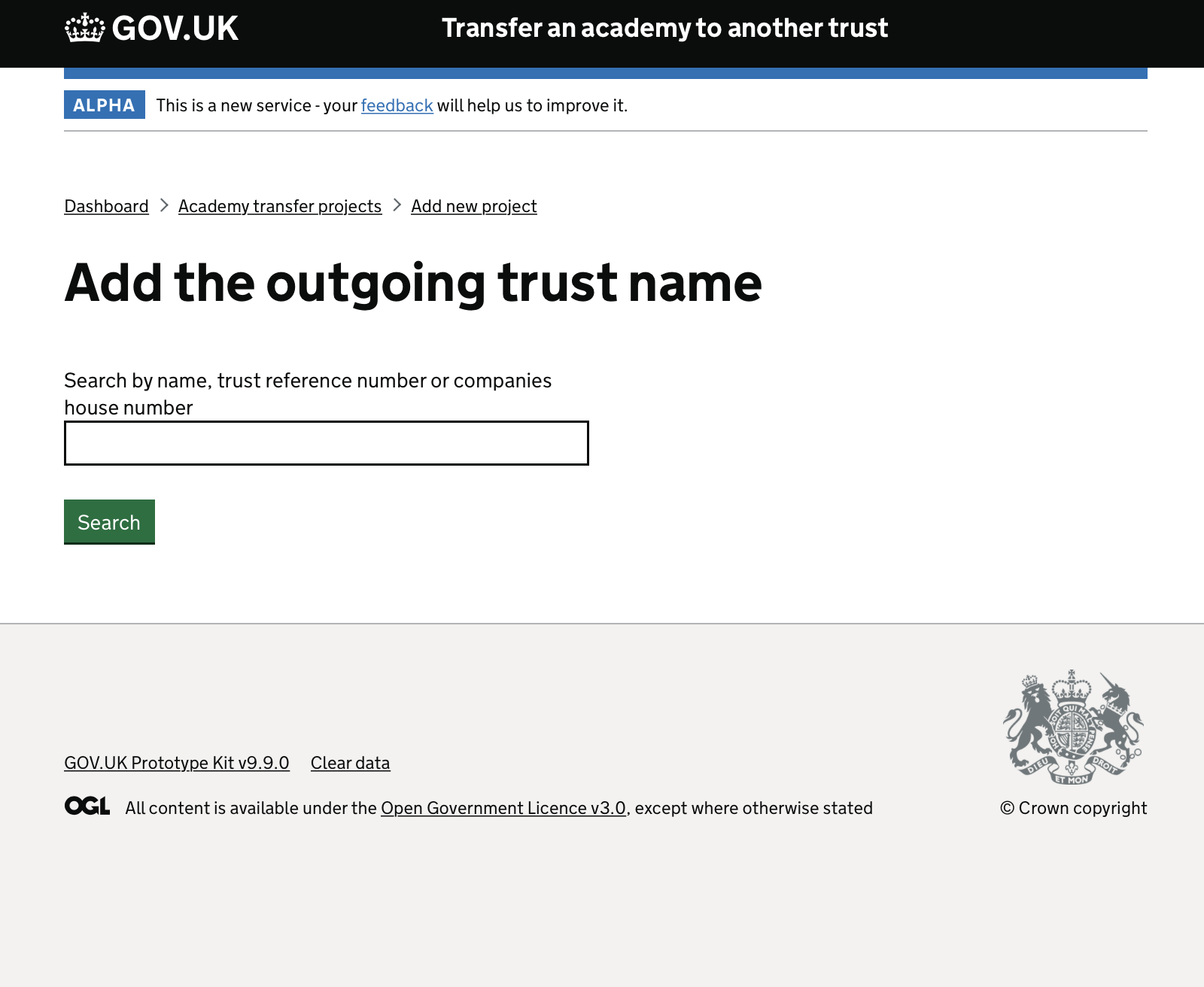
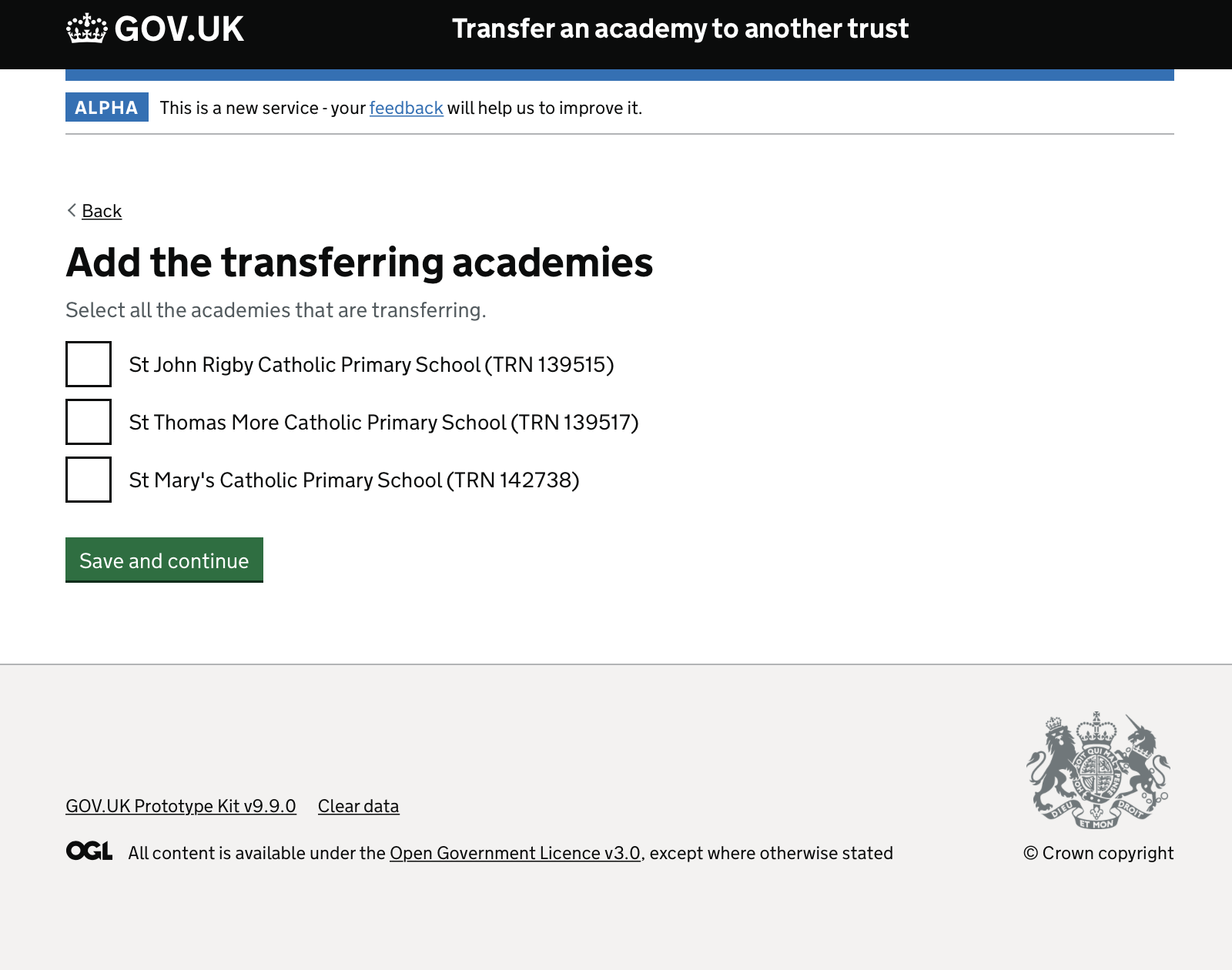
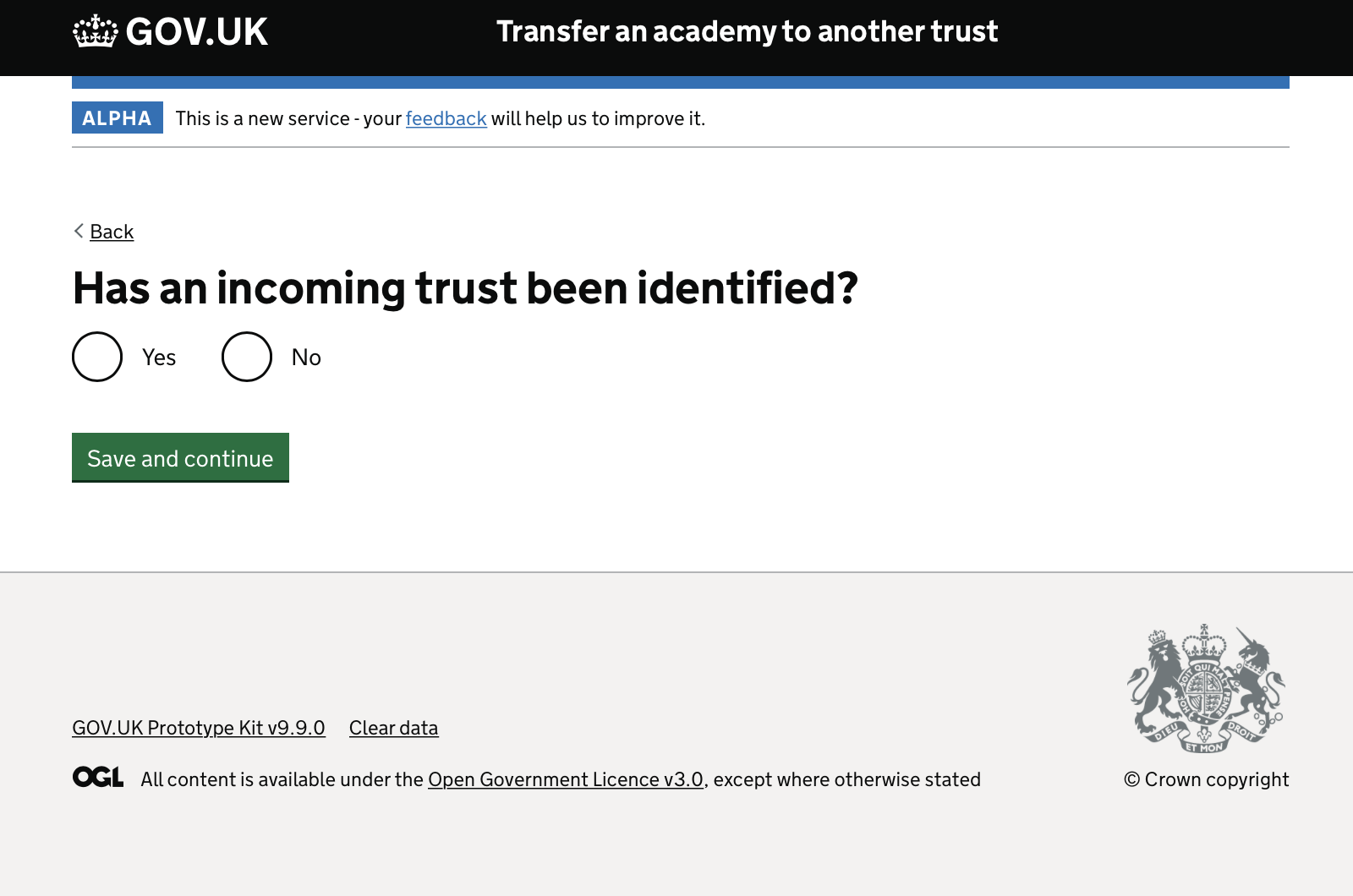
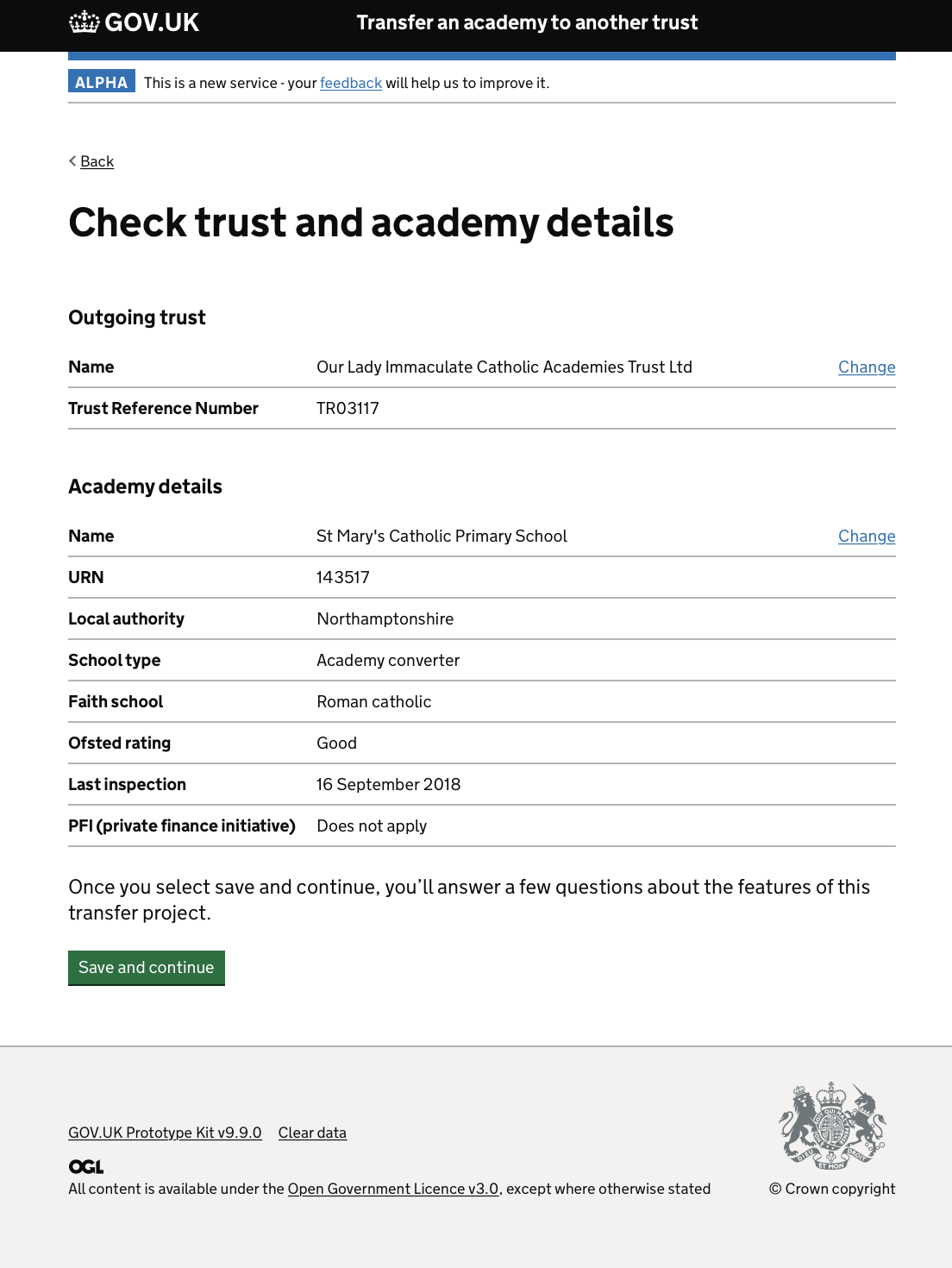
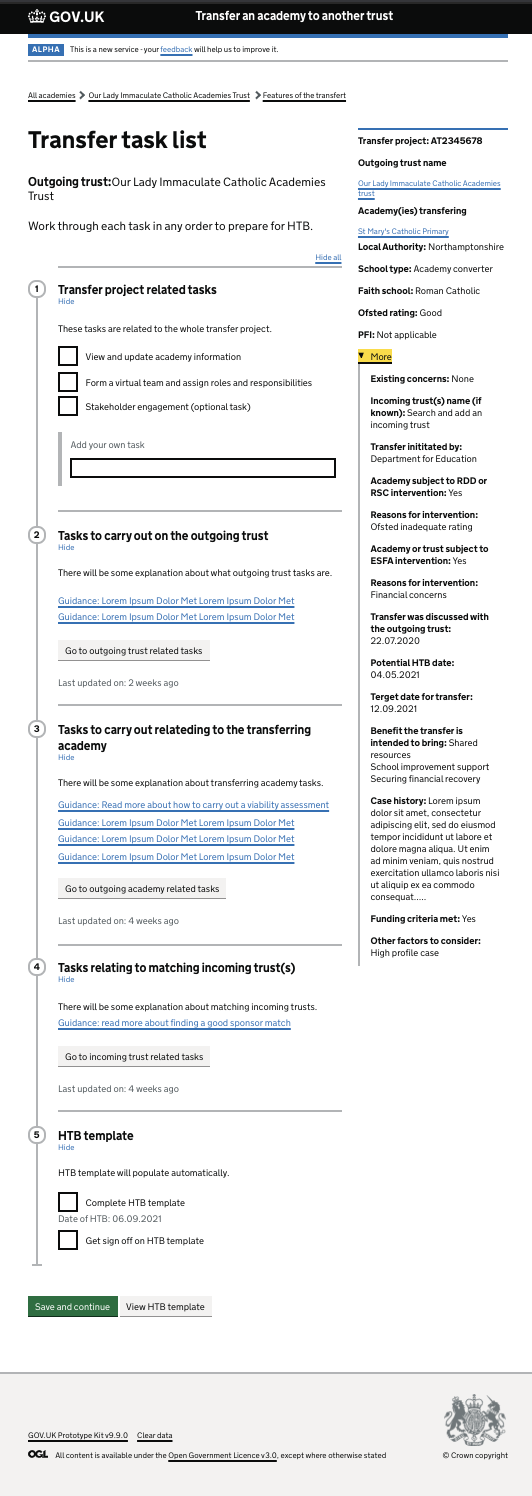
A service was built on a CRM platform that no longer met usability or operational needs. A task force explored options. The chosen approach: build a styled prototype as the view, connect it to real data via an API, and use a thin controller layer that could be swapped later. The critical constraint: we had to use real data to prove the concept.
The approach
The whole effort ran as a vertical slice. Design, backend, and API were built in parallel, not in sequence. No “design hands off to dev.” No “backend waits for frontend.” Everybody moved together through the same slice of the service.
The result: a working end-to-end flow in four weeks, from kick-off to screens that connected to live data. Additional time went into exploring variants, different dashboard concepts, for example, because the core was done.
What the slice included


Why vertical works
Working vertically means you ship something that actually works, not a design for someone else to implement, not a backend waiting for a frontend. You learn the constraints as you go. The team sees the full picture. And, frankly, it’s more fun. The last project I worked on as an individual contributor used this approach. Senior staff, small task force, vertical slice. It reminded me why I do this work.